Preventing goals may be a goalkeeper’s foremost duty, but it’s only part of the job. Once the ball is in the goalkeeper’s hands or at his or her feet, the keeper becomes an orchestrator. That’s why coaches should stress that goalkeepers are soccer players who happen to have the privilege of using their hands.
Many times during a game, the goalkeeper is the player who initiates his or her team’s attacking approach with distribution of the ball. The keeper has myriad options for distribution, and to take advantage of all of them, the keeper must master every technique for getting the ball to a teammate.
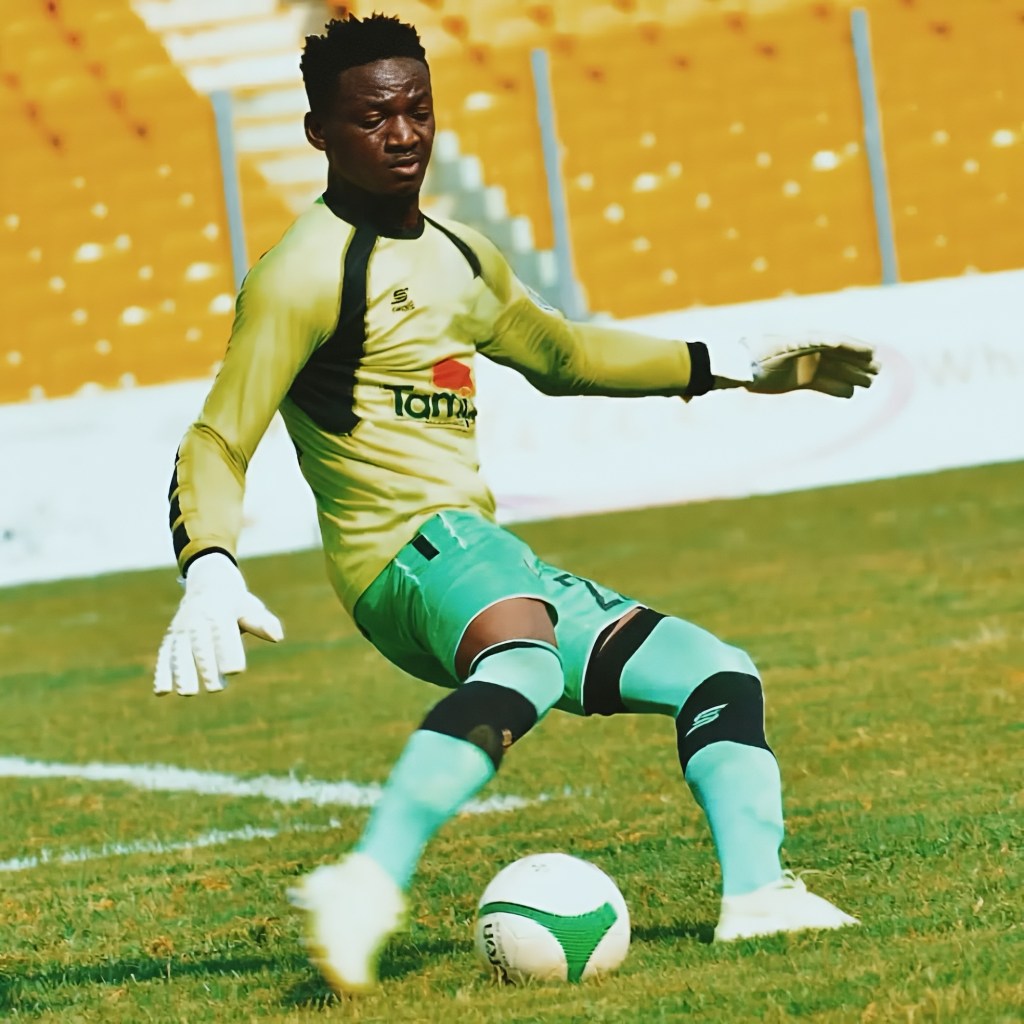
Goalkeepers must be able to launch an attack with a punt, drop kick, or side-winder and they must be able to do so while minimizing risk. They must also be able to throw or roll the ball to their teammate, never failing to reach their target. And they must have the foot skills to effectively deal with teammates’ back passes, which they aren’t allowed to handle with their hands.
Being good at distributing the ball enables a goalkeeper to help determine the tempo of the game, to give his or her team an edge offensively, and to make it more difficult for the opponent to launch another attack.
Distribution skills also play a key role in how coaches choose their starting goalkeeper. The keeper who can pass, punt, throw, and roll the ball accurately to teammates will get the nod over the keeper whose distribution enables the opponent to quickly regain possession.
PUNTS, DROP KICKS, AND SIDEWINDERS
Because they can start with the ball in their hands, goalkeepers have more options than field players do for how they can relay the ball to teammates. Three types of kicks start from the hands: punts, drop kicks, and sidewinders. A goalkeeper should be able to master at least two of these three. Preferably, the keeper will master all three! Each type has different technical requirements and is used for various tactics.
 konnectgoalkeepers
Leave a comment