This brings me to a story of a young boy who walks in the street of Accra and stops a man to ask, “How do I get the chance to play at Ohene Gyan Stadium?” The man looks down and says, “Practice, practice, practice!” The fact is, great performers reach the top of their chosen fields, whether it’s the big stage or a full stadium of cheering fans, because they have worked on their craft tirelessly.
The great thing about soccer is that it’s so much fun that players sometimes don’t even notice how hard they’re working. Good players relish the challenge of improving, and good coaches keep training activities interesting and fun and as much like the actual game as possible. The goalkeepers’ practice time is split into two periods: individual training with the keeper coach and gamelike exercises with the team.
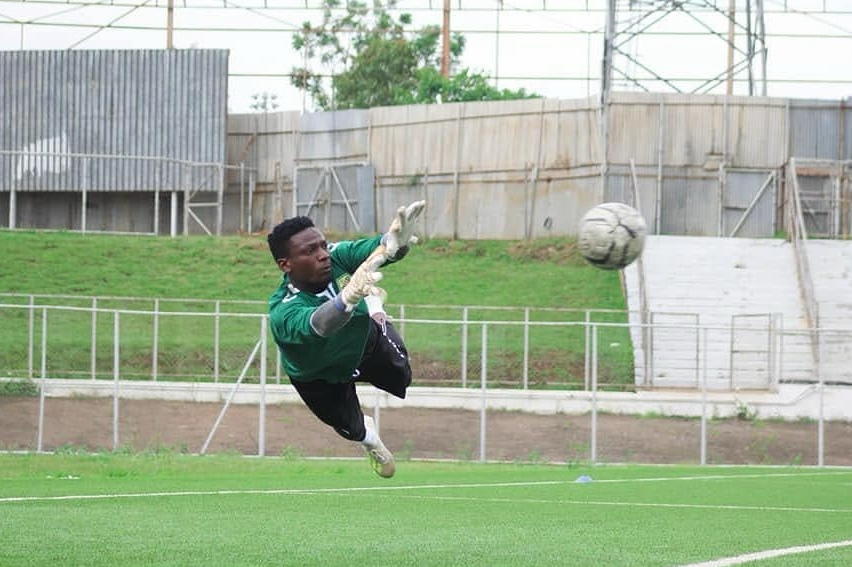
The technical portion of the practice, which comes first, is where the goalkeepers and keeper coach work on the specific technical requirements for playing in goal. These technical sessions should include a warm-up that builds into the training topic of the day. They usually last 30 to 45 minutes before the keeper joins the team.
To develop the tactical aspect of goalkeeping, keepers need to be put in a training environment that fosters the decision making they will face in a game.
Much of this time comes from small-sided matches in training.
It is absolutely imperative for goalkeepers to get specialized technical training.
It’s how they acquire the skills that are unique to the position, and it’s how they stay in top form throughout the season. Keeper exercises should hone skills in a realistic manner. That is, the training needs to replicate the situations that keepers will face in the game.
 konnectgoalkeepers
Leave a comment